GPS Geodetic Control Extension
Objective: The primary objective of this project was to conduct a comprehensive boundary survey for the Kenya Medical Training College campus. The survey aimed to accurately define the property boundaries, resolve any existing boundary disputes, and provide precise documentation for legal and developmental purposes.
Scope of Work:
-
Pre-Survey Preparation:
- Gather and review existing property records, including deeds, previous survey maps, and any relevant legal documents.
- Conduct preliminary site visits to understand the terrain and identify any potential challenges.
-
Field Survey:
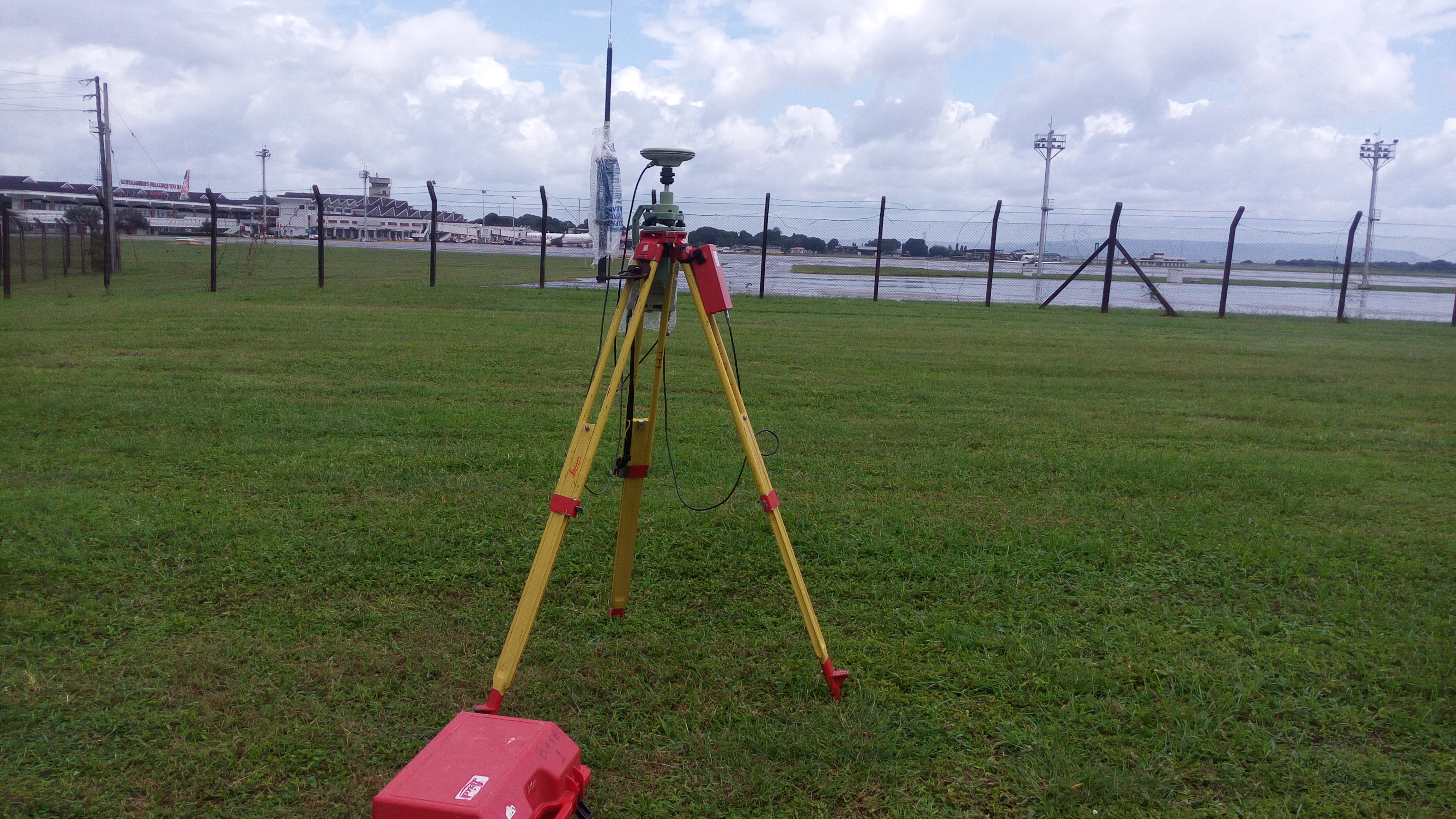
- Deploy a team of licensed surveyors equipped with advanced surveying instruments such as GPS receivers, total stations, and leveling equipment.
- Establish control points around the property to ensure accuracy and consistency in measurements.
- Measure and record all boundary lines, taking into account natural and artificial landmarks, fences, and existing markers.
-
Data Analysis and Mapping:
- Process the collected field data using specialized survey software to create detailed and accurate maps.
- Compare the new survey data with existing records to identify any discrepancies or encroachments.
- Prepare detailed boundary maps and legal descriptions of the property.
-
Stakeholder Engagement:
- Conduct meetings with KMTC representatives to present preliminary findings and address any concerns.
- Engage with neighboring property owners if boundary disputes or encroachments are identified to seek amicable resolutions.
-
Final Documentation and Reporting:
- Compile a comprehensive survey report including maps, legal descriptions, and any recommendations for resolving boundary issues.
- Provide KMTC with digital and hard copies of all survey documents for their records.
- Offer follow-up services to assist with any legal or developmental actions based on the survey results.
Challenges:
- Terrain and Accessibility: Navigating through uneven and densely vegetated areas required careful planning and the use of advanced equipment.
- Weather Conditions: Weather fluctuations impacted fieldwork schedules, necessitating flexibility and contingency planning.
- Boundary Disputes: Engaging with neighboring landowners to resolve boundary disputes required effective communication and negotiation skills.
Outcome:
- The boundary survey provided KMTC with a clear and accurate definition of their property boundaries, supporting their property management and development plans.
- Any discrepancies and disputes were addressed and resolved, ensuring legal clarity and avoiding potential conflicts.
- The detailed maps and documentation enhanced KMTC’s ability to plan for future expansions, construction projects, and campus improvements.
Conclusion: The Border Survey project for the Kenya Medical Training College was a success, delivering precise and actionable data that empowered KMTC to manage and develop their property with confidence. The project underscored the importance of accurate boundary surveys in supporting educational institutions and their infrastructure needs.
F
Client